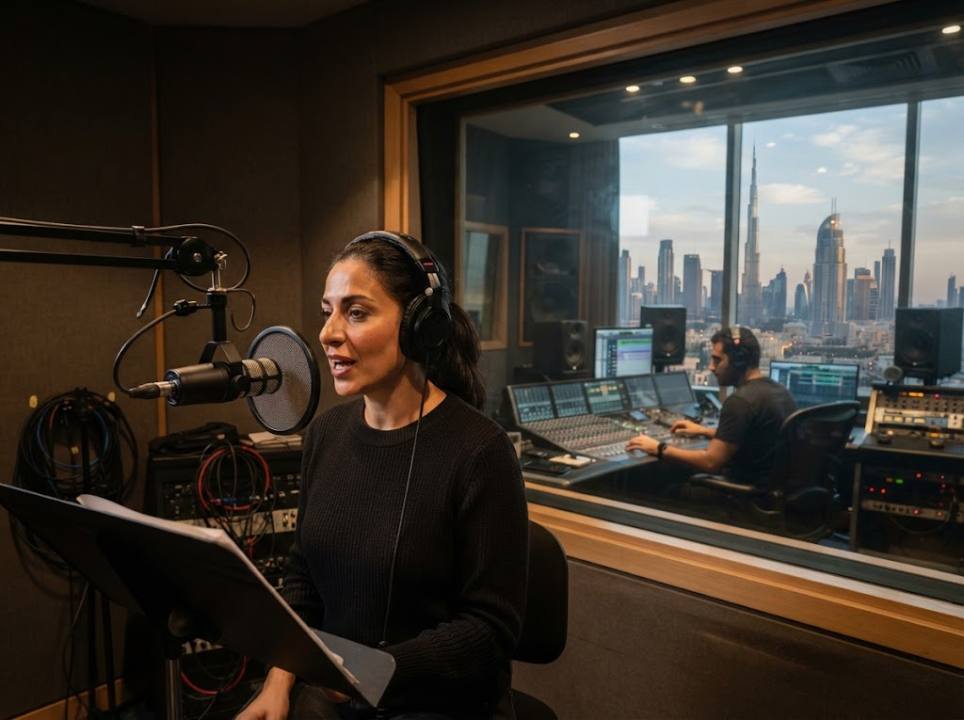
Walk through any mall in Dubai and you will hear Arabic, English, Hindi, Urdu, Tagalog, Russian and a dozen other languages within a few minutes. For marketers, this diversity is both an opportunity and a challenge. A single video campaign might need to reach Emirati families, European expats, South Asian workers and Southeast Asian residents, often on the same platforms and at the same time.
Voice over and captions are the tools that make this possible. This article explains how brands in the Gulf can use them to adapt campaigns without losing their impact.
Why Video Needs More Than Translation
Text translation is only part of the job. Video combines spoken words, on-screen text, music and pacing. A translated script that reads well on paper may run too long for the scene, sound unnatural when spoken or clash with the visuals.
Good video localisation treats timing as seriously as wording. Every line must fit the scene, sound natural to native ears and match the emotion of the original.
Specialist marketing translation services adapt scripts for voice over and captions together, so that both versions carry the same message and tone.
Voice Over or Captions
Each option suits different situations:
- Voice over works best for TV, cinema, in-store screens and longer brand films where viewers watch with sound.
- Captions are essential for social media, where most videos autoplay without sound, and for accessibility.
- Both are often combined: a localised voice track plus captions in the same or another language.
Captions also help viewers who are deaf or hard of hearing. The W3C Web Accessibility Initiative explains how captions and transcripts make video accessible to everyone.
Arabic First, But Not Only Arabic
Arabic is the official language and essential for any campaign aimed at Emirati and wider Gulf audiences. Choosing between Modern Standard Arabic and a Gulf dialect depends on the tone: formal announcements suit the standard language, while lifestyle and youth campaigns often feel more natural with local expressions.
English remains the common language of business and of many expats, so most campaigns run bilingual Arabic and English versions as a minimum.
Reaching South Asian Audiences
A large share of the Gulf's population comes from Pakistan, India and Bangladesh. Campaigns for telecoms, remittance services, retail and banking often target these communities directly. Working with an experienced urdu translator ensures that scripts, captions and on-screen text use the right register, respectful forms of address and correct Urdu script, which is written right to left like Arabic.
Voice talent matters just as much. Listeners immediately notice an accent that does not match their region, so casting should be planned with the same care as translation.
Southeast Asian Communities
Indonesian and Filipino residents form another important audience, particularly for retail, healthcare and service brands. Dedicated indonesian translation services help brands speak to Indonesian speakers in a friendly, natural tone, whether in captions for social video or in recorded voice overs for in-store screens.
The Production Workflow
- Script adaptation: translators adapt the script, checking length against the video timing.
- Client review: local marketing teams approve the wording.
- Casting: native voice artists are selected for age, gender and accent.
- Recording: sessions are directed to match the tone and pacing of the original.
- Captioning: captions are timed, checked for reading speed and burned in or delivered as files.
- Final quality check: a native reviewer watches the finished video from start to finish.
Technical Details That Matter
Right-to-left scripts such as Arabic and Urdu need caption tools and fonts that support them properly. Line breaks must follow natural phrases, and on-screen graphics may need to be mirrored. Reading speed limits should be respected so viewers can follow captions comfortably.
Audio deliverables must match broadcast or platform specifications, including loudness levels and file formats.
Cultural and Regulatory Checks
Advertising in the UAE follows content standards that cover religious sensitivities, modesty and claims about products. Scripts and visuals should be reviewed with these rules in mind before recording, as changing a finished voice over is far more expensive than adjusting a script.
A cultural review at script stage is the cheapest insurance a campaign can buy.
Measuring Results
Compare view rates, completion rates and engagement for each language version. Captioned social videos often show higher completion rates, while localised voice overs can lift brand recall in specific communities. Use these insights to decide where to invest in future campaigns.
Planning for Ramadan and Seasonal Peaks
Ramadan, Eid and the year-end shopping season are the busiest periods for Gulf advertisers. Voice artists, studios and translators are in high demand, so book them weeks in advance. Prepare scripts early, agree approval steps with local teams and leave time for a second recording session in case wording needs to change after review.
Final Thoughts
The Gulf is one of the most multilingual advertising markets in the world. Brands that combine careful script adaptation, native voice talent and accurate captions can reach every community with a message that feels personal, respectful and clear.